Dune & Shade
Beach Rules
Where tents, canopies and umbrellas are allowed — sourced from the authority that sets the rule.
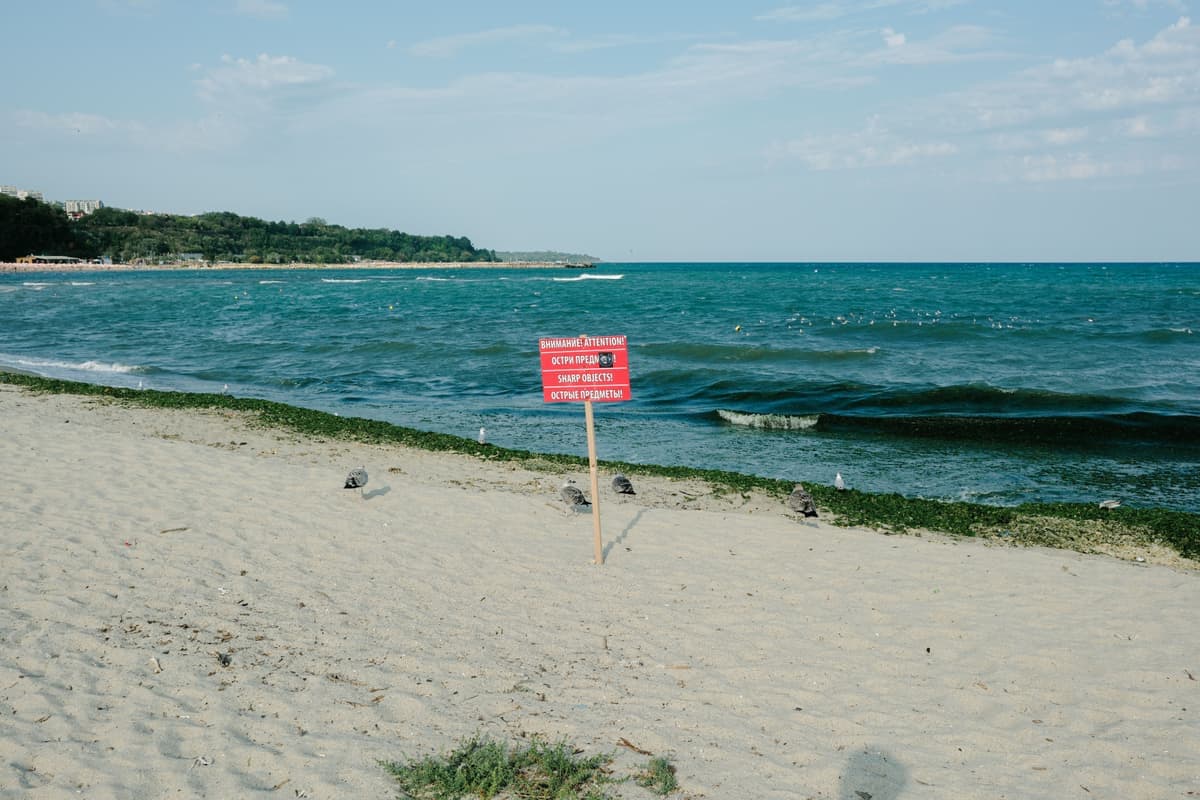
Beach tent and canopy restrictions are real, common and badly documented online. A great many of the pages ranking for "are beach tents allowed at…" cite nothing, were written years ago, and are wrong often enough to cost someone a day. This section exists to do it properly, which means doing it slowly.
The rule we hold ourselves to
That standard is why this section is thin at launch rather than full of plausible-sounding pages. A wrong rules page is worse than no rules page: someone drives to a beach, unpacks a canopy, and is told to take it down.
Why the rules exist
Restrictions on beach tents and canopies are usually about three things, and knowing which one applies tells you a great deal about what is likely to be permitted:
- Sightlines for lifeguards. A beach full of canopies is a beach a lifeguard cannot see across. This is the commonest reason, and it tends to produce rules about height and spacing rather than outright bans.
- Crowding and access. Shelters occupy far more sand per person than umbrellas. Busy municipal beaches often restrict footprint or confine canopies to a zone.
- Safety in wind. An unanchored canopy or umbrella is a hazard to other people, which is why some authorities regulate anchoring specifically.
The practical pattern that follows: where canopies are restricted, umbrellas very often are not. If you are traveling somewhere with restrictions, a beach umbrella or a clamp-on umbrella is usually still permitted. That is worth checking before you decide not to bring shade at all.
What varies, and what to check
| Restriction | Typical form | What to check |
|---|---|---|
| Canopy and tent bans | Peak season only, or specific beaches | Whether umbrellas are still allowed |
| Size limits | Maximum footprint or height | Which of your shades qualifies |
| Setback rules | Behind a line, or clear of the water | Where the line actually is |
| Hours | Nothing left overnight | Enforcement time, which is usually posted |
| Anchoring requirements | Must be properly secured | What counts as secured locally |
| Zoning | Shelters confined to one section | Which section, and how busy it gets |
The restrictions that actually appear, in rough order of how common they are.
How to check for yourself, reliably
- Search for the city or county beach rules page directly, not a review site. The phrase that usually works is the place name plus "beach regulations" or "beach ordinance".
- Look for the beach patrol or lifeguard service — they often publish the practical version of the rule before the ordinance is updated.
- Check the date on whatever you find. Seasonal rules change, and a 2022 page is not evidence about this summer.
- Where a rental concession operates on the beach, their terms often reveal what personal equipment is permitted.
- If in doubt, telephone the parks department. Thirty seconds, and it is the only genuinely authoritative answer.
What to pack when the rules are unclear
An umbrella, or a small canopy you could carry away quickly. Both are far more likely to be permitted than a large cabana, and a 2 lb clamp-on umbrella attached to a rented lounger is allowed almost everywhere. The options are in how to have shade at the beach, and the travel angle is in flying with beach gear.
What will appear here
Destination pages for the beaches people actually ask about, each one carrying the rule, the cited authority, a link to it and a visible last-checked date. Pages will be added as each is verified, and removed or re-checked when a source changes. That is a slower way to build a section and the only version of it worth reading.
What goes here
This section is published as pages clear our sourcing bar, not before. Everything we add here has to be traceable to a source we can name. Until then, the links below are the closest existing answers on the site.
Questions in the meantime: contact@duneandshade.com