Guides
The Beach Day Packing List
Organized by what carries what, because the hard part of a beach day is not choosing the gear — it is getting it across the sand in one trip.
 Category photo
Top pick · Most beach days
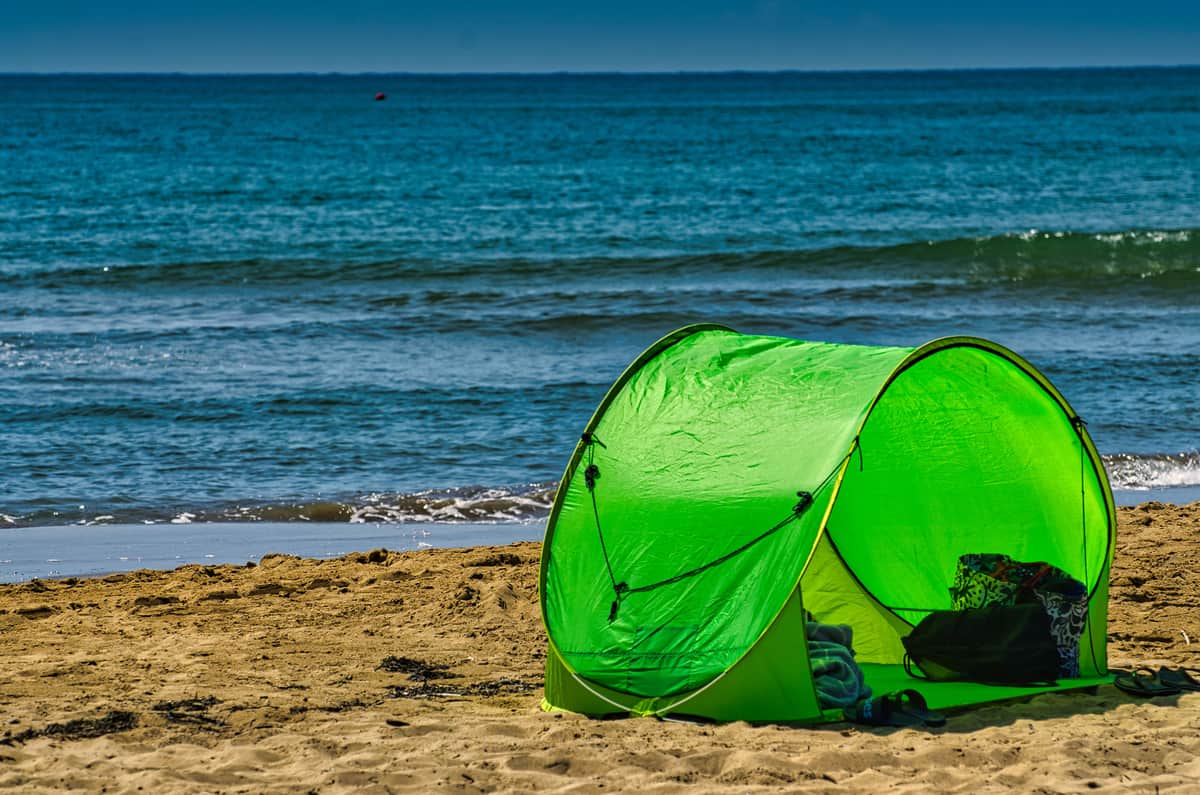
Sun Ninja Beach Tent, 4-Person
A pole-and-sand-anchor shade that covers a family without the bulk of a cabana, and the size most people should start with.
#ad We do not publish a price we cannot verify today. How this is funded
Quick picks
| # | Product | Best for | Carry weight | Price |
|---|---|---|---|---|
| 1 | Sun Ninja Beach Tent, 4-Person A pole-and-sand-anchor shade that covers a family without the bulk of a cabana, and the size most people should start with. | Most beach days | 7.9 lb in its bag (Sun Ninja) | Check price |
| 2 | 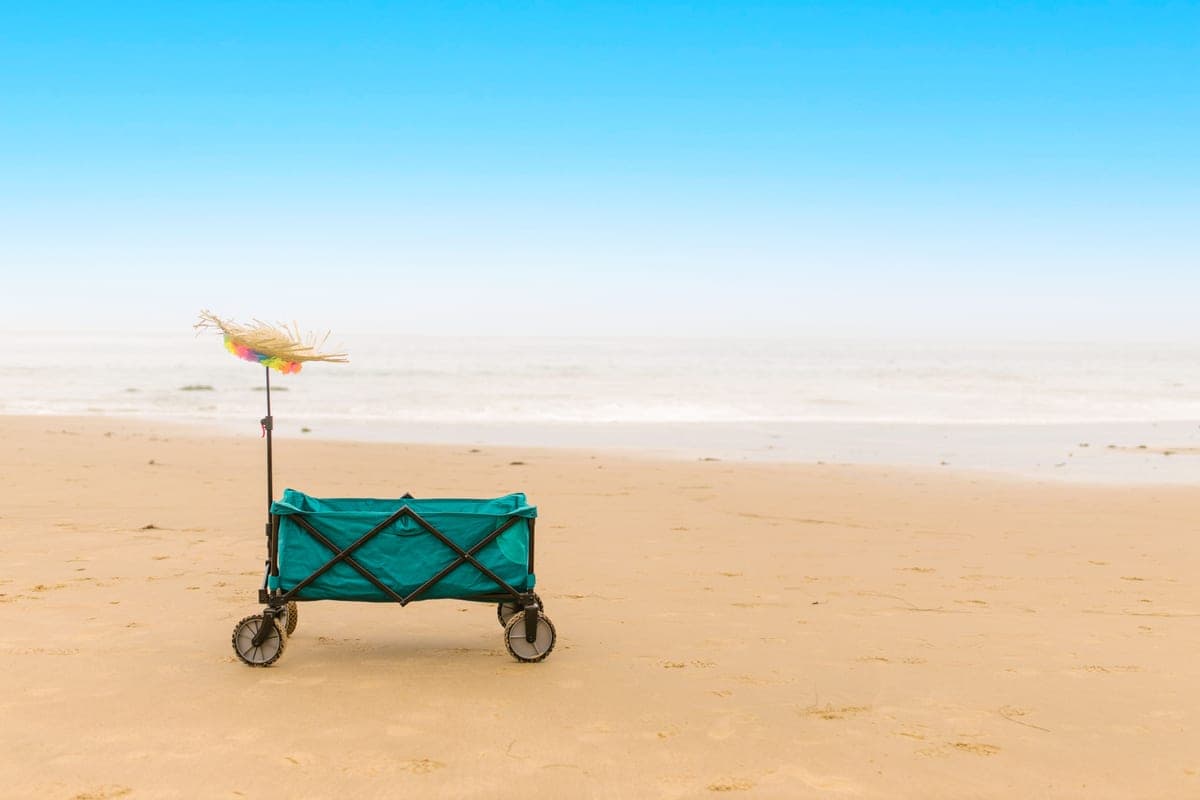 Mac Sports All-Terrain Beach Wagon Wide-tread rubber wheels, 150 lb capacity and under 22 lb empty — the wagon most beach days actually need. | The default soft-sand wagon | Under 22 lb (Mac Sports) | Check price |
| 3 | 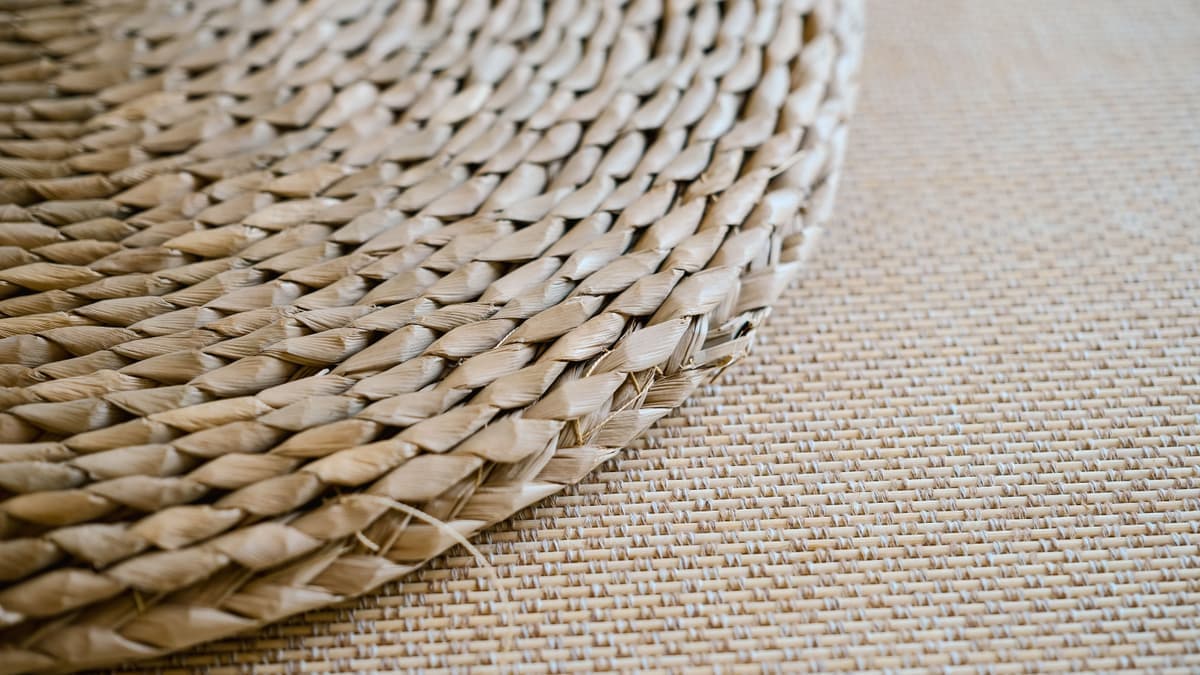 CGEAR Original Sand-Free Mat The patented dual-layer weave that lets sand fall through and not back up — the original, and still the one the others copy. | The sand problem, solved properly | Not published per size | Check price |
| 4 | 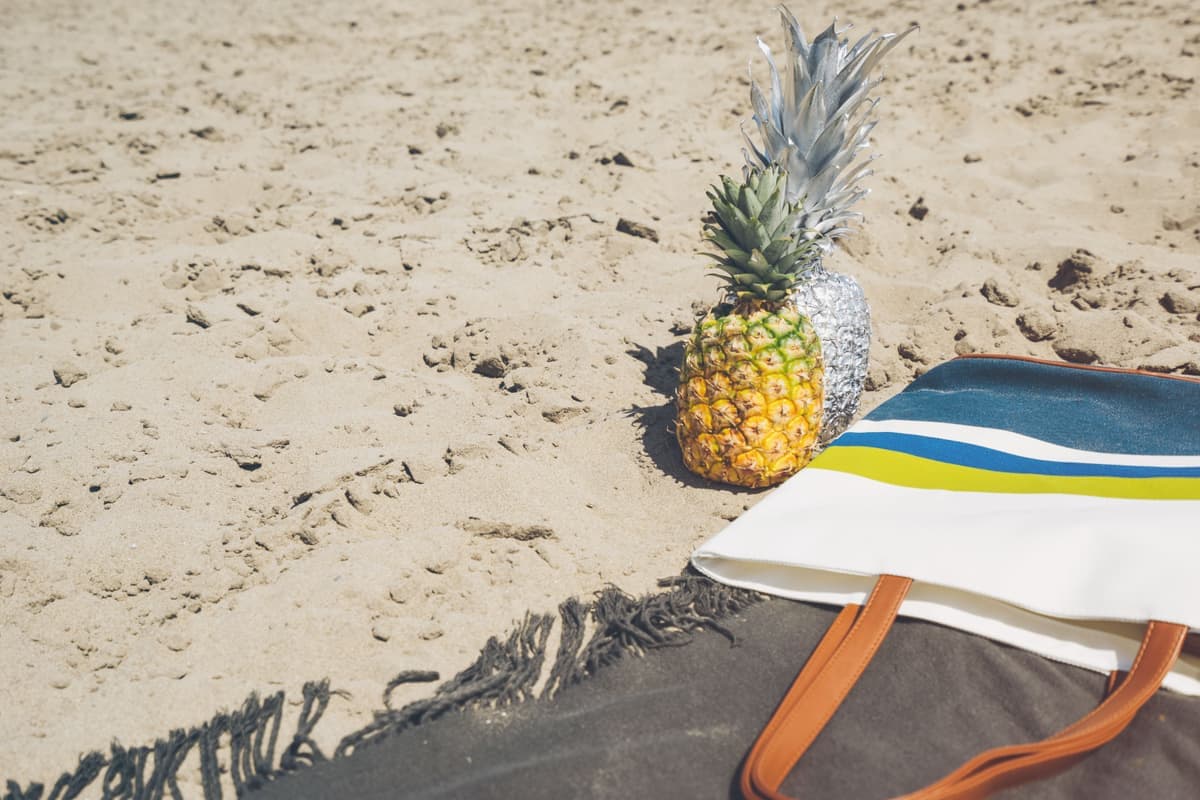 Original Bogg Bag The washable, tip-proof EVA tote that solved beach bags by not being fabric at all. | Wet, sandy, heavy loads | Not published | Check price |
| 5 | 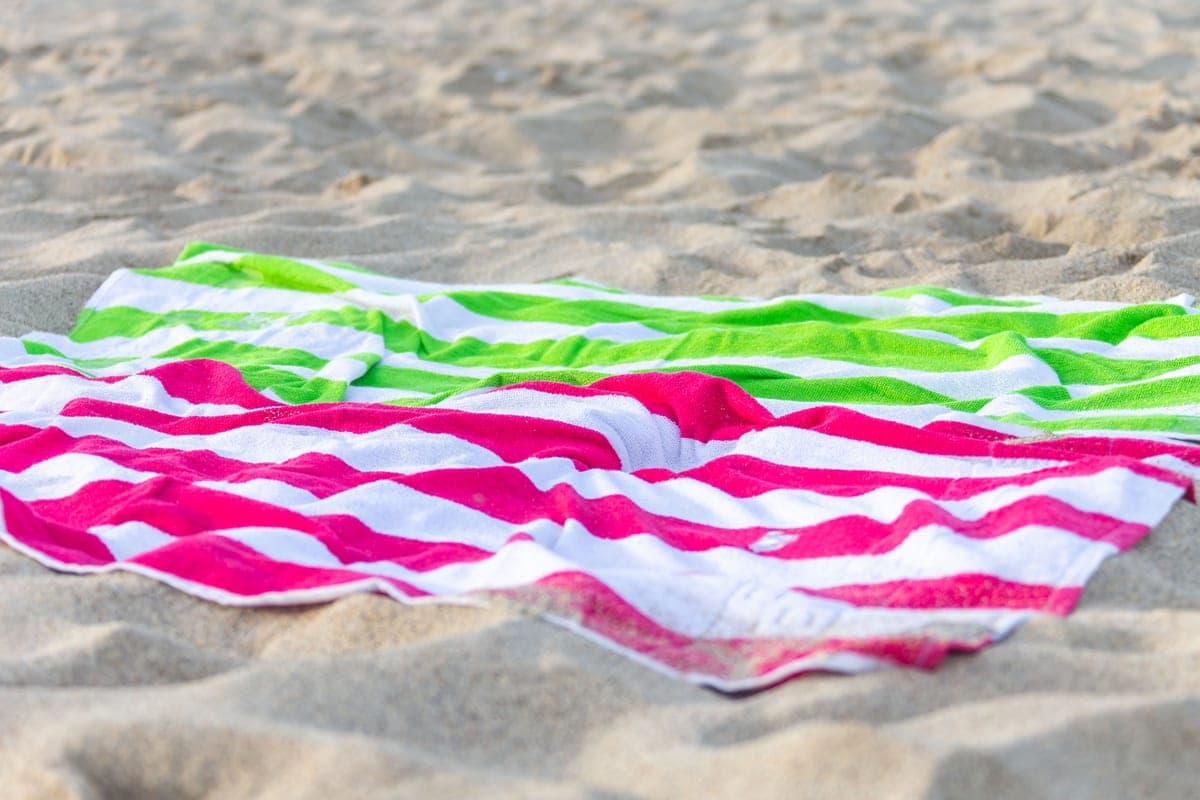 Dock & Bay Quick Dry Towel, Extra Large 78 x 35 in of towel at 500 g, which is the clearest weight-to-size figure any towel brand here publishes. | A full-size towel that packs like a sweater | 500 g / 1.1 lb (Dock & Bay size guide) | Check price |
Scroll the table sideways on a narrow screen. Every weight above is the figure its manufacturer publishes; where a manufacturer publishes none, the table says so rather than borrowing a retailer's number.
The short answer
The core list
Shade
- A canopy, tent or umbrella — the one thing people most regret leaving behind
- Its anchors, filled on site. Check they are in the bag before you leave home
- Sunscreen, reapplied, because shade reduces UV rather than eliminating it
- Hats for anyone under about ten, who will not stay under the shade anyway
Ground
- A sand-free mat as the floor, or a packable blanket
- A towel each, plus one spare for the car seats
- Chairs, if anyone will actually sit in one
Carrying
- A main beach bag that stands up and rinses clean
- A mesh bag for anything sandy — toys, shoes, buckets
- A small dry bag for phone, keys and cash
- A wagon, if the walk is more than a couple of minutes
Water and food
- More water than you think. Heat, salt and wind dehydrate faster than the same temperature inland
- A cool bag, frozen the night before rather than iced in the morning
- Food that survives warmth and sand — nothing that needs cutlery or a plate
The small things that get forgotten
- A bin bag for wet and sandy items on the way home
- Baby powder or talc, which dries damp skin so sand brushes straight off
- A plastic bag for shoes
- Cash, for car parks that still do not take cards
- A spare top for whoever gets cold first
- Any medication that is normally in the bag you did not bring
Pack by what carries it
This is the part that turns a list into a single trip. Decide the carriers first, then fill them.
| Carrier | What goes in it |
|---|---|
| Wagon | Shade, chairs, cooler, mat, toys |
| Main tote | Towels, sunscreen, hats, snacks, spare top |
| Mesh bag | Buckets, spades, flip-flops, snorkels |
| Dry pouch | Phone, keys, cash, cards |
| On your back | A chair each, if there is no wagon |
| In your hands | Nothing. That is the point |
A workable allocation for a family of four making one trip.
What not to bring
- Anything you would be upset to lose. Sand, salt water and distraction are a bad combination for jewelry, sunglasses and good cameras.
- A cotton bath towel per person. They are heavy wet, bulky dry and hold sand. One each of a quick-dry towel does the job for a fraction of the volume.
- Glass. Broken glass in sand is the reason many beaches ban it outright.
- More than one inflatable. They are bulky, they blow away, and nobody plays with the second one.
Before you leave the house
- Check the wind forecast, not just the temperature. It decides which shade to bring, and whether to bring any.
- Check the tide. A beach that is wide at low tide can be a strip of pebbles at high tide.
- Check whether tents are permitted where you are going — several popular beaches restrict them. See beach rules by destination.
- Freeze the water bottles. They chill the cool bag on the way and are drinkable by lunchtime.
- Put the car key in the dry bag before you leave, not when you arrive.
The leaving-the-beach routine
Fifteen minutes before you intend to go, start. Collect and rinse the toys, shake the mat out on the sand, take the shade down while there are still hands free, and dry everyone's feet before they walk to the car. Doing it in that order is the difference between leaving cleanly and finding sand in the car in October.
For a family-specific version of all of this, see the family beach gear checklist. If you are flying rather than driving, start at travel beach gear instead.
Every pick in full
Category photo#1 · Most beach days
Sun Ninja Beach Tent, 4-Person
A pole-and-sand-anchor shade that covers a family without the bulk of a cabana, and the size most people should start with.
| Carry weight | 7.9 lb in its bag (Sun Ninja) |
|---|---|
| Packed size | 17.7 x 7.5 x 7.1 in carry bag (Sun Ninja) |
| Size / capacity | 7.5 x 7 ft canopy, four poles |
| Setup | Bury four sand pouches, raise the poles; pegs included for grass |
| How it holds down | Held by sand-filled pouches you dig in, not pegs pushed into dry sand |
| UPF / materials | UPF 50+ (Sun Ninja) |
What it does well
- The best size-to-weight balance in the range: family coverage under 8 lb
- Sand-pouch anchoring works in dry sand, where tent pegs simply pull out
- Machine washable, which matters more than it sounds after a season of salt
- Ships with a sand shovel and grass pegs, so it works away from the beach
Where it falls short
- Four poles and four buried pouches is a real setup, not a pop-up
- An open canopy: it blocks sun from above but gives no shelter from blowing sand
#ad We do not publish a price we cannot verify today. How this is funded
Specifications above are Sun Ninja's own, read from their published listing.
Category photo#2 · The default soft-sand wagon
Mac Sports All-Terrain Beach Wagon
Wide-tread rubber wheels, 150 lb capacity and under 22 lb empty — the wagon most beach days actually need.
| Carry weight | Under 22 lb (Mac Sports) |
|---|---|
| Packed size | Folds to under 10 in (Mac Sports) |
| Size / capacity | 37 x 21 x 25 in open; 150 lb capacity |
| Setup | Pull the frame open; no assembly |
| How it holds down | Not applicable |
| UPF / materials | 600D polyester, mildew and UV resistant (Mac Sports) |
What it does well
- Large rubber wheels with wide treads — width is what keeps a wagon on top of dry sand
- Folds under 10 in, so it goes in a car with the cooler, not instead of it
- 150 lb capacity covers a full family load with margin
- Mac Sports publishes open dimensions, folded size, capacity and weight, which most wagon brands do not
Where it falls short
- Under 22 lb is still 22 lb to lift in and out of a car
- Pull handle only — the push-and-pull model is a separate product
#ad We do not publish a price we cannot verify today. How this is funded
Specifications above are Mac Sports's own, read from their published listing.
Category photo#3 · The sand problem, solved properly
CGEAR Original Sand-Free Mat
The patented dual-layer weave that lets sand fall through and not back up — the original, and still the one the others copy.
| Carry weight | Not published per size |
|---|---|
| Packed size | Folds; sold in S, M, L and XL |
| Size / capacity | Four sizes; heavy-duty D-rings at the corners for staking |
| Setup | Unroll and stake at the corners |
| How it holds down | Stakeable at reinforced D-ring corners; the weave does not act as a sail |
| UPF / materials | UV-stabilized polyethylene (CGEAR) |
What it does well
- The two-layer weave is a mechanism, not a marketing claim: sand passes down through it and cannot come back up
- Liquids drain straight through, so a spilled drink is not a wet patch for the rest of the day
- Reinforced D-rings let you stake it, which almost no beach blanket allows
- CGEAR developed the technology for military use, which is where the UV stabilization and seam reinforcement come from
Where it falls short
- No published weight for any size, on a product people carry a long way
- A woven mat is firmer underfoot than a soft blanket — it is a floor, not bedding
- Sizes sell out: CGEAR's own listings carry back-in-stock dates
#ad We do not publish a price we cannot verify today. How this is funded
Specifications above are CGEAR Sand-Free's own, read from their published listing.
Category photo#4 · Wet, sandy, heavy loads
Original Bogg Bag
The washable, tip-proof EVA tote that solved beach bags by not being fabric at all.
| Carry weight | Not published |
|---|---|
| Packed size | Rigid — it does not pack down, it stands up |
| Size / capacity | Bogg's largest size; Baby and Bitty sizes also sold |
| Setup | Not applicable |
| How it holds down | Stands upright and does not tip, per Bogg |
| UPF / materials | Not applicable |
What it does well
- Rinses clean with a hose, which no fabric beach bag genuinely does
- Stands up on its own, so it does not spill its contents into the sand
- Sand falls out through the base holes instead of collecting in seams
Where it falls short
- Bogg publishes no weight or dimensions on its product pages
- Rigid, so it will not squash into a suitcase — a car bag, not a flying one
- The open holes mean it is not a dry bag; anything that must stay dry needs its own pouch
#ad We do not publish a price we cannot verify today. How this is funded
Specifications above are Bogg Bag's own, read from their published listing.
Category photo#5 · A full-size towel that packs like a sweater
Dock & Bay Quick Dry Towel, Extra Large
78 x 35 in of towel at 500 g, which is the clearest weight-to-size figure any towel brand here publishes.
| Carry weight | 500 g / 1.1 lb (Dock & Bay size guide) |
|---|---|
| Packed size | Packs down to roughly the size of a book; pouch around 11 x 6 in per retailer listings |
| Size / capacity | 200 x 90 cm / 78 x 35 in |
| Setup | Not applicable |
| How it holds down | Light — weight it down or it will travel |
| UPF / materials | Not applicable |
What it does well
- Dock & Bay publishes an actual size-and-weight guide, which almost no towel brand does
- 78 x 35 in covers a sun lounger, at 1.1 lb
- Comes with its own pouch rather than needing a bag
Where it falls short
- Retailer listings disagree on both the weight (485 g to 508 g) and how fast it dries (twice or three times cotton)
- Microfiber feels like microfiber: quick-drying, not plush
#ad We do not publish a price we cannot verify today. How this is funded
Specifications above are Dock & Bay size guide's own, read from their published listing.