Compare
Shibumi vs Neso: Which Beach Shade Wins?
Two designs that both answer the wind problem, in completely different ways — and only one of them is sold on Amazon.
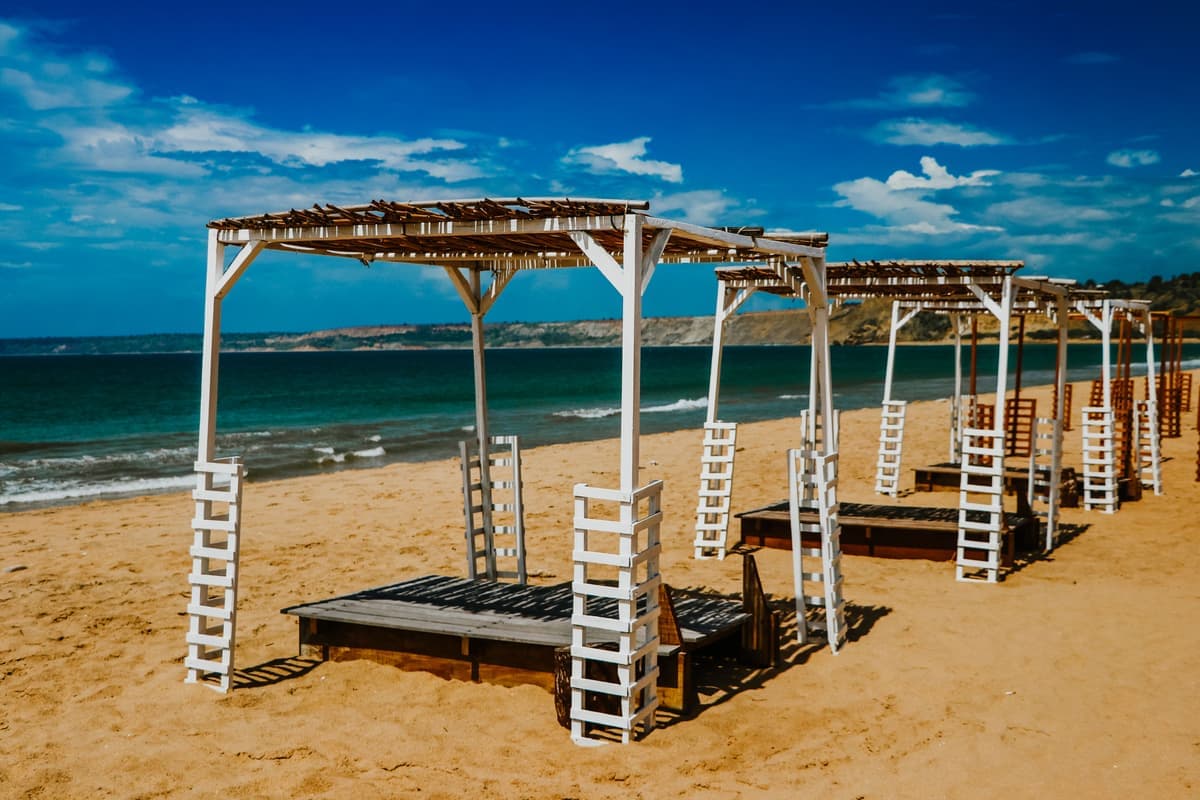 Category photo
Top pick · Windy beaches
Neso Grande
A four-corner stretch canopy anchored with sand-filled bags, sized by Neso for three to six people.
#ad We do not publish a price we cannot verify today. How this is funded
Quick picks
| # | Product | Best for | Carry weight | Price |
|---|---|---|---|---|
| 1 | Neso Grande A four-corner stretch canopy anchored with sand-filled bags, sized by Neso for three to six people. | Windy beaches | Neso does not publish a packed weight for the Grande | Check price |
| 2 | Shibumi Shade with Wind Assist A single-arch canopy that the wind holds up rather than threatens, now shipped with sandbag Wind Assist for the days the breeze fails. | Beaches with a reliable sea breeze | Shibumi does not publish a packed weight on its product page | At Shibumi Shadewe earn nothing |
| 3 | 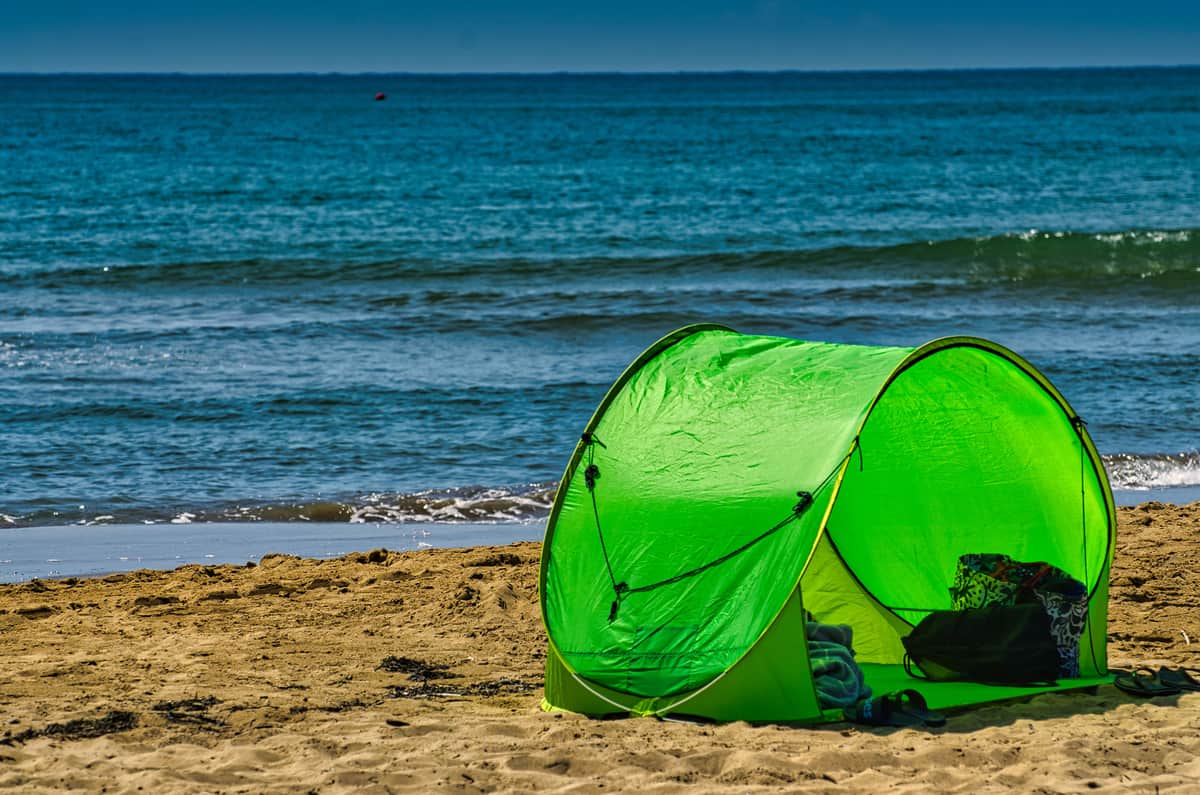 Neso 1 Neso's original and smallest canopy, sized for two to four and anchored with sand rather than stakes. | Two to four people | Neso does not publish a packed weight for the Neso 1 | Check price |
Scroll the table sideways on a narrow screen. Every weight above is the figure its manufacturer publishes; where a manufacturer publishes none, the table says so rather than borrowing a retailer's number.
The short answer
Two different theories of wind
A Shibumi is one arched pole and a canopy that the wind inflates and holds in tension. Wind is the structure. More wind means a better-shaped, more stable shade, which is unique in this category and genuinely impressive to see.
A Neso is two poles and a stretch nylon-and-Lycra canopy pulled taut between four sand-filled corner bags. Wind is a load the anchors resist, and the fabric's elasticity absorbs gusts rather than transmitting them to the seams. It works in still air, in a breeze, and in a blow.
The consequence is the whole comparison: Shibumi is better in its conditions, Neso is better across more conditions.
What each maker publishes
| Shibumi Shade | Neso Grande | |
|---|---|---|
| Packed weight | Not published | Not published |
| Packed size | Not published | Not published |
| UPF rating | Not published | UPF 50+ |
| Fabric | Quiet canopy, softer with added stretch | Nylon/Lycra blend, water-resistant |
| Poles | One arch | Two |
| Anchoring | Wind; Wind Assist sandbags included | Four sand-filled corner bags |
| Sold on Amazon | No — direct only | Yes |
| We earn a commission | No | Yes |
Published specifications. The number of blanks in this table is itself the finding.
Neither publishes a packed weight, which is poor from both. Neso at least publishes a UPF rating and names its fabric. Shibumi publishes a two-minute solo setup, though only for its Park Vista model rather than the beach Shade.
Choose the Shibumi if
- Your beach has a dependable onshore breeze most days
- You want the fastest pitch of anything in this category
- You have been frustrated by shade that struggles as the wind rises
- You are happy buying direct from the manufacturer
Choose the Neso if
- Your conditions vary from still to windy
- You want a published UPF rating on the fabric over your family
- You would rather buy on Amazon with the returns that implies
- You want replacement poles and anchor bags sold separately
Where each one struggles
Shibumi on a dead-calm day. The design needs air moving through it. Shibumi now includes Wind Assist sandbags precisely for this, which is a real fix and also an admission: on a still morning you are pitching a different, lesser product than the one you bought.
Neso pitched badly. A stretch canopy that is not pulled genuinely taut sags and flaps, and flapping is what fatigues seams. The elasticity that makes it good in wind makes it worse than a rigid canopy when pitched loose.
The third option neither of them is
If you want published numbers before you buy — weight, packed size, canopy dimensions, UPF — neither of these brands gives you them, and Sun Ninja does. That is a legitimate reason to choose a third product over both, and it is covered in Neso vs Sun Ninja and Sun Ninja vs Shibumi.
Every pick in full
Category photo#1 · Windy beaches
Neso Grande
A four-corner stretch canopy anchored with sand-filled bags, sized by Neso for three to six people.
| Carry weight | Neso does not publish a packed weight for the Grande |
|---|---|
| Packed size | Not published; ships in a shoulder carry bag |
| Size / capacity | Sized by Neso for 3-6 people |
| Setup | Fill the four corner anchor bags with sand, raise two poles |
| How it holds down | Corner bags are filled on site, so the hold-down weight is the beach itself |
| UPF / materials | UPF 50+, water-resistant nylon/Lycra blend (Neso) |
What it does well
- The stretch nylon/Lycra canopy gives rather than flaps, which is why this design suits wind
- Anchor weight is sand you fill on arrival — nothing heavy to carry in
- Two poles to deal with, against four on most pole-and-pouch shades
- Neso publishes UPF 50+, and the Skin Cancer Foundation recommends its Sidelines model in the same fabric
Where it falls short
- Neso publishes no packed weight, so you cannot plan a carry-on around it
- A stretched canopy needs its corners pulled genuinely taut or it sags
#ad We do not publish a price we cannot verify today. How this is funded
Specifications above are Neso's own, read from their published listing.
Category photo#2 · Beaches with a reliable sea breeze
Shibumi Shade with Wind Assist
A single-arch canopy that the wind holds up rather than threatens, now shipped with sandbag Wind Assist for the days the breeze fails.
| Carry weight | Shibumi does not publish a packed weight on its product page |
|---|---|
| Packed size | Not published; carried over the shoulder |
| Size / capacity | Classic and Mini sizes |
| Setup | One arched pole; the canopy fills with wind rather than being pegged out |
| How it holds down | Wind is the mechanism, not the hazard. Wind Assist sandbags included for still days |
| UPF / materials | Not published as a UPF figure on the product page |
What it does well
- The only mainstream design that gets better as the wind gets stronger
- The current Quiet canopy is Shibumi's answer to the loud flapping of the older fabric
- Wind Assist is now included rather than sold separately, which fixes the design's one real failure mode
Where it falls short
- Sold direct only, so there is no Amazon listing and we earn nothing if you buy one
- Shibumi publishes neither a packed weight nor a UPF number
- On a dead-calm day it needs the Wind Assist to work at all
Sold direct by the manufacturer. We earn no commission on this link.
Specifications above are Shibumi Shade's own, read from their published listing.
Category photo#3 · Two to four people
Neso 1
Neso's original and smallest canopy, sized for two to four and anchored with sand rather than stakes.
| Carry weight | Neso does not publish a packed weight for the Neso 1 |
|---|---|
| Packed size | Not published; ships in a shoulder carry bag |
| Size / capacity | Sized by Neso for 2-4 people |
| Setup | Fill the corner anchor bags, raise two poles |
| How it holds down | Sand-filled corner anchor bags |
| UPF / materials | UPF 50+, water-resistant nylon/Lycra blend (Neso) |
What it does well
- The cheapest way into the Neso design
- Smallest canopy of the three, so the easiest to keep taut on a breezy day
Where it falls short
- No published packed weight or packed size
- Two to four people means two adults and two small children, not four adults
#ad We do not publish a price we cannot verify today. How this is funded
Specifications above are Neso's own, read from their published listing.