The Beach Day Packing List
A full beach day packing list organized by what carries what, plus the things people forget.
Top pick: Sun Ninja Beach Tent, 4-Person
Check priceDune & Shade
How to set it up, how to hold it down, and what to pack before you go.
These are the pages about using beach gear rather than buying it: setting shade up, holding it down, getting sand out of everything afterwards, and knowing what to put in the car. Most of them come back to two or three bits of physics that, once you have them, make a lot of beach problems obvious.
| Group | Guides |
|---|---|
| Setting up | How to set up a beach tent, how to set up a beach canopy, how to fold a pop-up beach tent |
| Holding it down | Keeping a tent from blowing away, how to anchor a beach umbrella, are beach umbrellas dangerous |
| Sand | Getting sand out of everything, keeping sand off your blanket, what is a sand-free towel, are sand-free towels worth it |
| Choosing | What is UPF 50+, what size umbrella do I need, what color umbrella is best, choosing a chair for soft sand, how to have shade at the beach |
| Wagons | Do balloon wheels work on sand, beach wagon weight capacity, how much does a beach wagon cost |
| Planning | The beach day packing list, the family beach gear checklist, how to carry beach gear across sand |
The guides, grouped by what they are for.
Most of these guides carry two to four product picks, placed after the section that explains what to look for, so the recommendation is earned rather than bolted on. Every pick comes from our own registry, and every specification is the manufacturer's own, attributed to the page it was read from.
A few guides deliberately carry no products, because none genuinely fits — safety and technique pages do not need a product attached to be useful. Where that happens, the page says so.
We have not used every product we write about, and we never claim to have. No page on this site says "in our testing", because there is no testing. What there is instead: published manufacturer specifications read carefully, the physics that explains why one design works where another fails, and an explicit note wherever the published record runs out. The full account is on the methodology page.
We also do not give medical advice. Several of these guides touch on sun exposure, heat and mobility, and in each case the page says what the product does and refers the rest to someone qualified.
A full beach day packing list organized by what carries what, plus the things people forget.
Top pick: Sun Ninja Beach Tent, 4-Person
Check price
Why pegs fail in dry sand, and the anchoring method that actually holds a beach shade down.
Top pick: Neso Grande
Check price
A step-by-step anchoring method, with the CPSC resistance figure behind it.
Top pick: beachBUB All-In-One Beach Umbrella System
Check priceThe right order for pitching a beach tent, and the siting decisions that make it easier.
Top pick: Sun Ninja Beach Tent, 4-Person
Check pricePitching an open canopy, including the one-person method for raising it.
Top pick: Neso Grande
Check priceThe folding twist for spring-steel pop-up tents, step by step.
Top pick: Pacific Breeze Easy Setup Beach Tent Deluxe XL
Check priceWhat the UPF 50+ rating measures, how it differs from SPF, and what it does not cover.
Top pick: Sun Ninja Beach Tent, 4-Person
Check priceUmbrella diameters converted to shade area, matched to realistic group sizes.
Top pick: beachBUB All-In-One Beach Umbrella System
Check price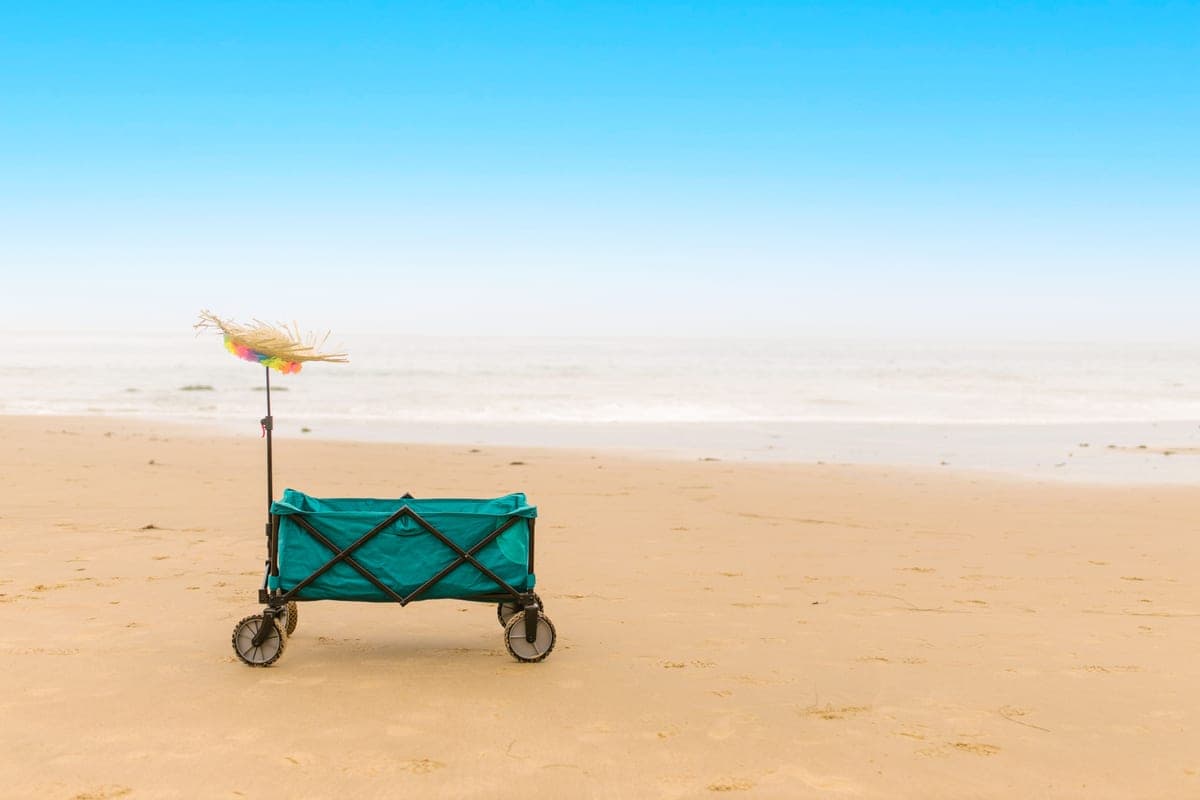
The physics of why wide low-pressure wheels float on sand, and the pressure spec that matters.
Top pick: Sekey Heavy Duty Beach Wagon with 9 in Balloon Wheels
Check priceWhat separates budget from premium beach wagons, and what the extra money actually buys.
Top pick: Mac Sports Lightweight Collapsible All-Terrain Beach Wagon
Check priceWhat published wagon capacities actually describe, and what limits you in practice.
Top pick: Mac Sports Push & Pull Wagon
Check price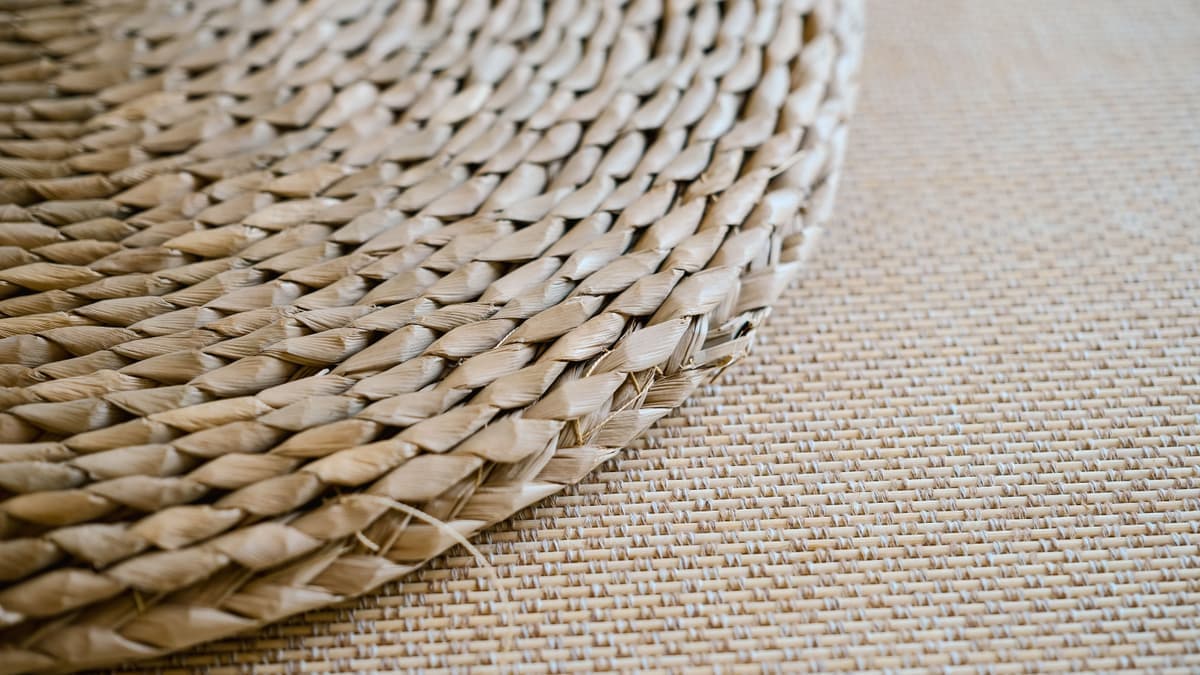
Why sand clings to blankets and the routine that keeps it off.
Top pick: CGEAR Original Sand-Free Mat
Check price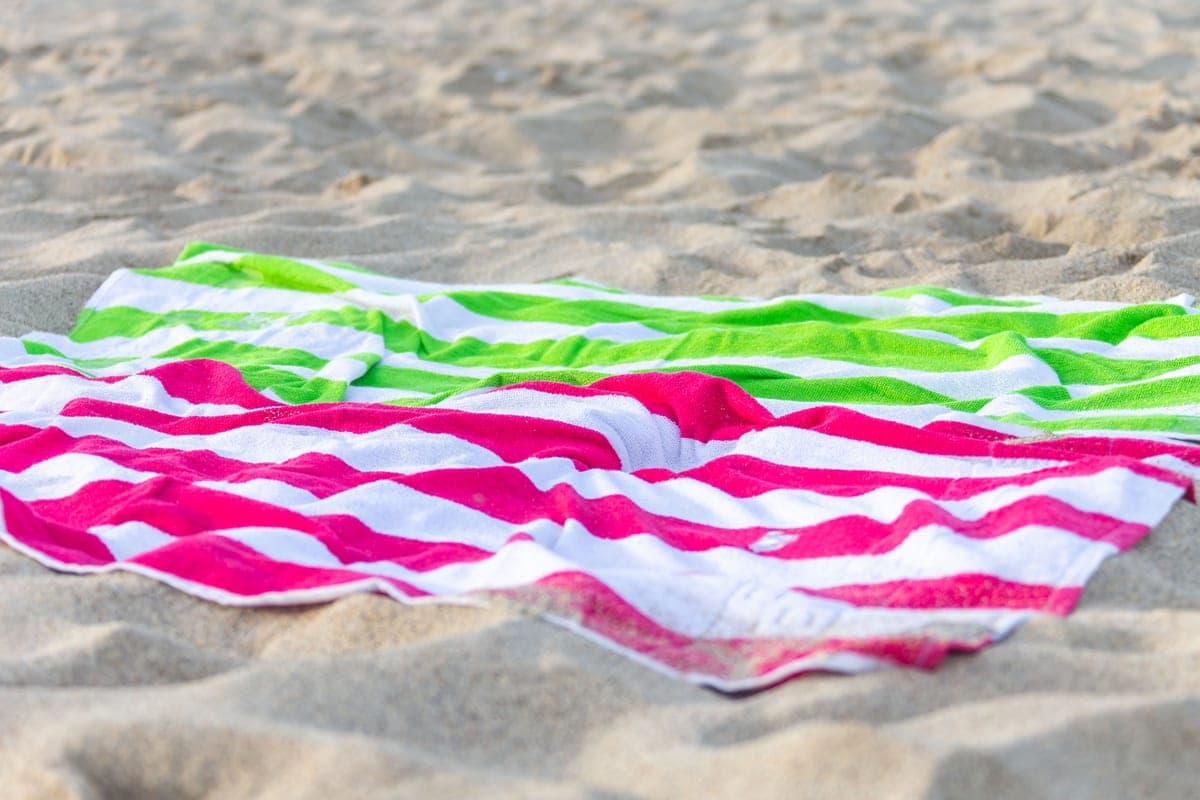
The fabric property behind sand-free towels, and the limit nobody mentions.
Top pick: Dock & Bay Quick Dry Towel, Extra Large
Check priceGetting a full beach load across soft sand in one trip: carriers, order and route.
Top pick: Mac Sports All-Terrain Beach Wagon
Check priceA family beach checklist by child age, with the three items that change a beach day most.
Top pick: Sun Ninja Beach Tent, 8-Person
Check priceThe surface-tension explanation and a practical routine for de-sanding gear, bags and the car.
Top pick: CGEAR Original Sand-Free Mat
Check priceEvery shade option compared on coverage, weight and what each one costs you.
Top pick: Sun Ninja Beach Tent, 8-Person
Check price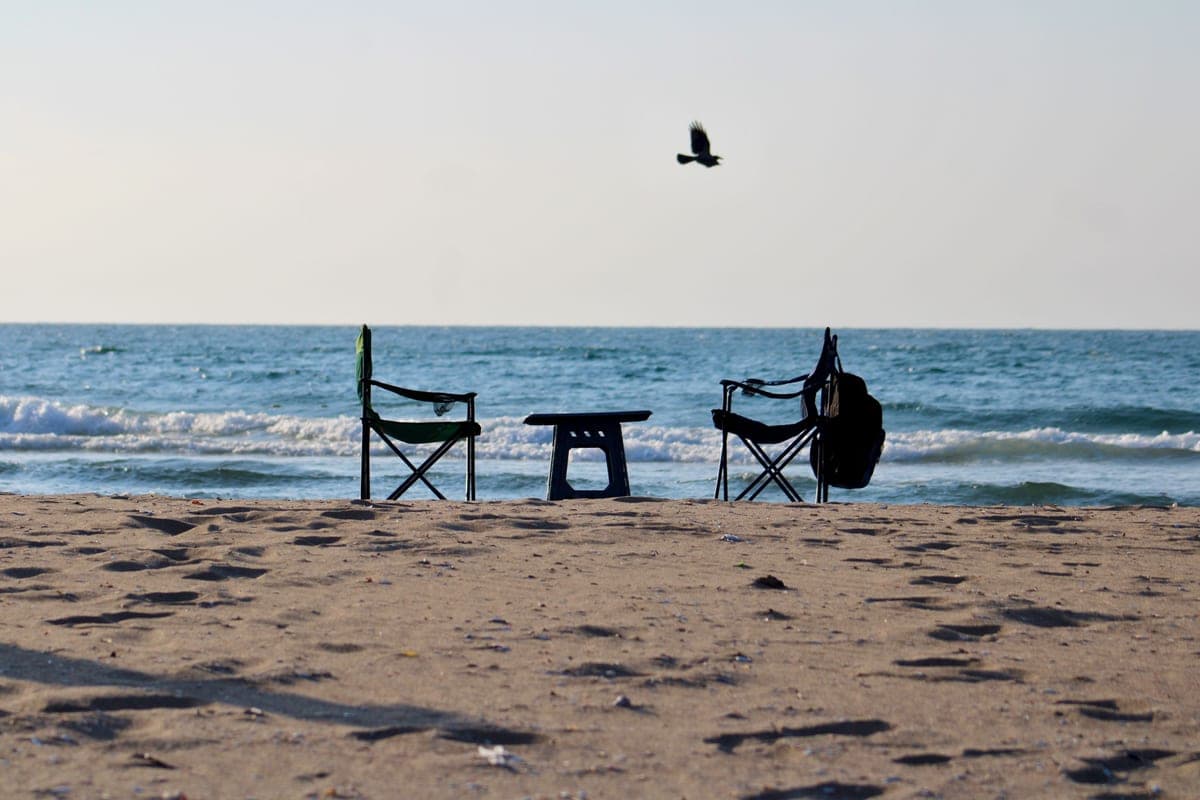
The foot design, seat height and frame material that decide whether a chair works on dry sand.
Top pick: Sun Ninja Beach Chair
Check priceRinsing, drying and storing a beach shade so salt does not finish it in two seasons.
Top pick: Sun Ninja Beach Tent, 4-Person
Check priceWhy beach umbrellas become projectiles, the published safety figures, and how to reduce the risk.
Top pick: beachBUB All-In-One Beach Umbrella System
Check priceA straight verdict on sand-free towels, and what they are genuinely better at than the name suggests.
Top pick: Dock & Bay Quick Dry Towel, Extra Large
Check priceWhat umbrella color actually changes, and what matters far more than color.
Top pick: AMMSUN 6.5 ft Fringe Beach Umbrella
Check price